erkitchener's pick · Updated August 2026
RayconBone Conduction Bluetooth Sport Headphones
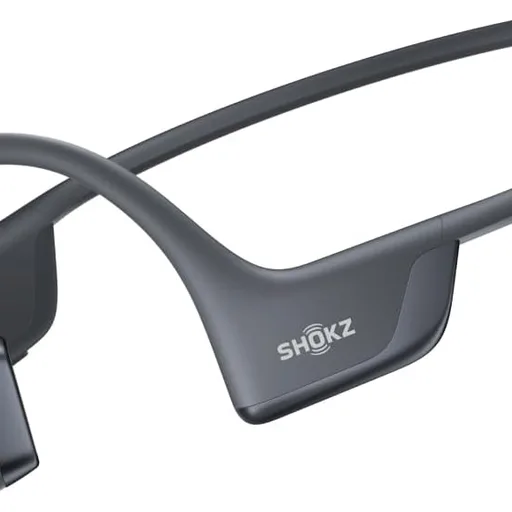
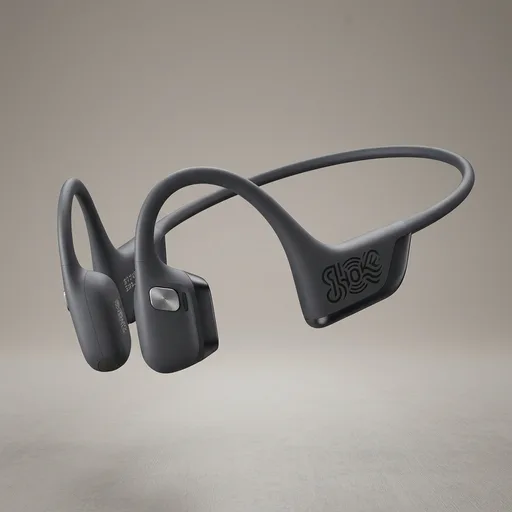
Bone conduction sport headphones like this one make the most sense for people who want open-ear awareness while running, cycling, walking, or moving around outdoors. The appeal is simple: you can keep your ears open to what is happening around you and still listen to audio at the same time. For some shoppers, that balance matters more than the deepest bass or the most sealed fit.
This Raycon model is positioned as a sport-focused bundle with a reflective strip, Bluetooth connectivity, a built-in mic, IP55 resistance, DualPitch sound, and up to 12 hours of battery life. Those are the kinds of features that will matter most to someone comparing it against standard earbuds or a more enclosed headphone style. If your priority is awareness on the road or trail, the open-ear design is the main reason to look closer. If your priority is fuller isolation, this category may not be the better match.
The most important thing to verify is fit. Bone conduction designs rely on stable contact points, and comfort can vary depending on head shape, glasses, helmet use, and how firmly the frame sits during movement. That is worth checking before buying, especially if you plan to use it for longer workouts or repeat sessions. Battery life is another practical point to confirm in real use, since listed runtime is usually based on ideal conditions that may not match every volume level or call pattern.
The water resistance rating also deserves a quick look in context. IP55 can be enough for sweat and light exposure, but it is not the same as a fully waterproof design, so shoppers should compare that rating with how they actually train. The microphone and Bluetooth features are convenient on paper, yet calls, wind noise, and connection stability are the details that separate a useful sports headset from one that only looks good in a feature list.
Who this is for comes down to use pattern. It may suit someone who wants headphones for exercise, commuting, or outdoor movement and prefers to stay aware of traffic, people, or other sounds nearby. It may also suit a buyer who wants a lighter-feeling alternative to earbuds that sit in the ear canal. Someone looking for strong noise blocking, a sealed listening experience, or a bass-heavy home listening setup should compare other styles before choosing this one.
The reflective strip is a small but sensible detail for outdoor use, especially in low light. It does not replace proper visibility gear, but it does suggest the product is aimed at runners and cyclists who want a bit more visibility baked into the design. That kind of addition can be useful if you spend time outside before sunrise or after dark, though it is still worth checking how noticeable it is in practice.
Because there are no usage notes here, the right way to read this page is as a fit guide rather than a personal endorsement. The listed features point to a practical sport headphone for open-ear listening, but the final decision should rest on comfort, awareness, resistance rating, and whether the sound profile fits what you expect from bone conduction audio. For the right buyer, that combination could be a good match. For the wrong one, it may feel like a compromise.
Amazon product links on this guide are not currently affiliate links. Neither erkitchener nor Buyer Field Guide earns an affiliate commission from them.
See current price