erkitchener's pick · Updated August 2026
RayconBone ConductionHeadphonesOpen Ear Earbuds 80H Bluetooth 5.3 Headphones Sport Earbuds | Open Ear Structure with Earhooks
Loading photo
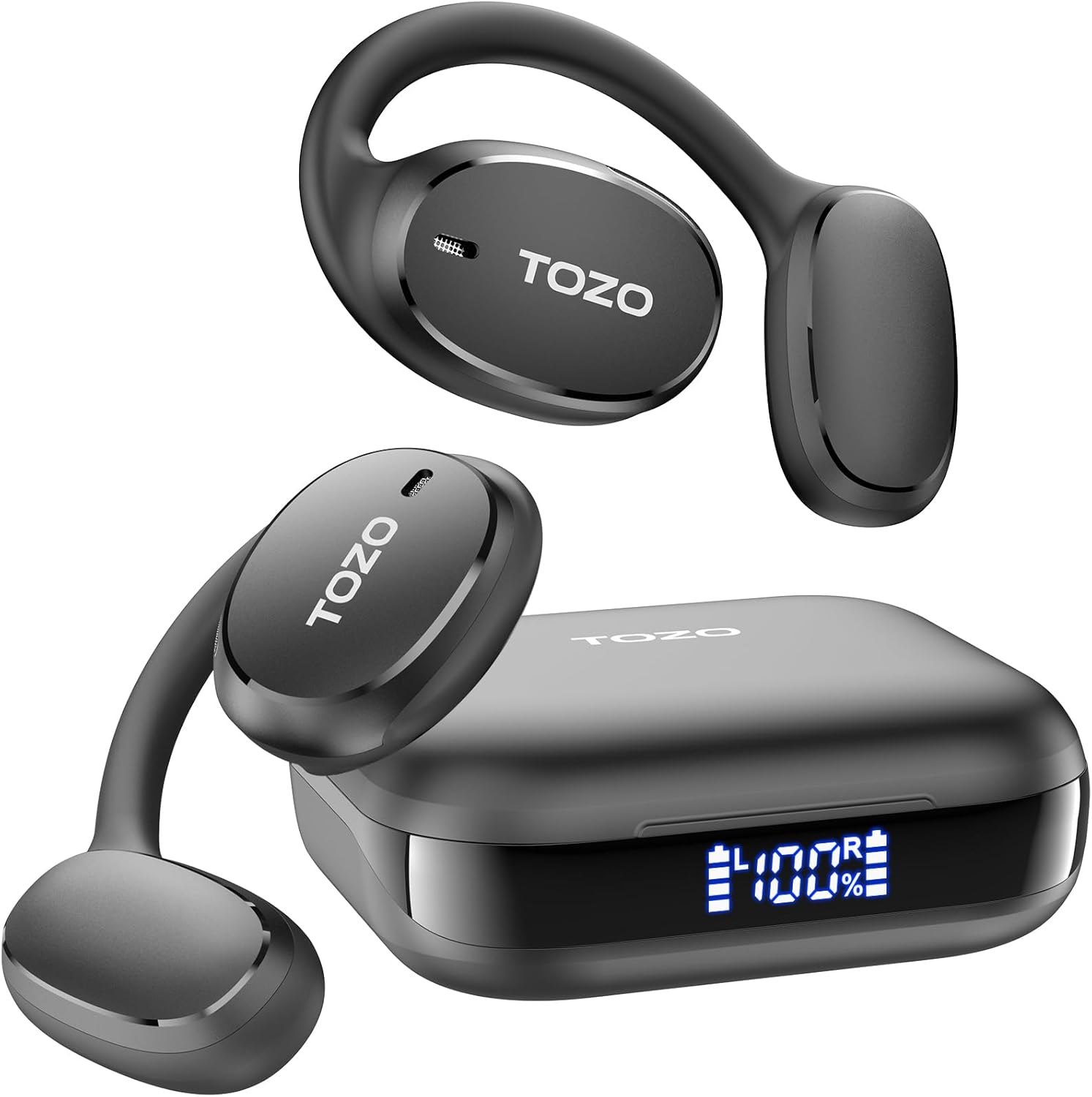
Open-ear Bluetooth headphones like this may suit someone who wants audio without fully blocking the room around them. That can matter for running near traffic, walking through busy spaces, working at a desk, or traveling when you still need to hear announcements and the people around you. The bone-conduction style, earhooks, and open structure all point toward comfort and awareness first, with sound isolation taking a back seat.
The feature set is broad for a sport-focused pair. The listing points to Bluetooth 5.3, 80 hours of battery life, 32 EQ modes, a digital LED display, and clear call support, so this looks aimed at buyers who want one device for workouts, commuting, and office use. The open-ear format may also appeal to people who dislike the plugged-up feeling of in-ear buds or who have trouble keeping traditional earbuds seated during movement. For that kind of buyer, the design itself is the main reason to compare it with other wireless options.
The main thing to verify is how well this style fits your routine. Open-ear headphones usually trade some bass weight and privacy for awareness, and that is worth checking before buying if you mainly listen in loud places or want stronger sound blocking. It is also worth confirming how the earhooks feel over a long stretch, whether the controls are easy to manage while moving, and how the display and EQ options are actually used in practice. A long battery claim sounds useful, but it should still be read in the context of your own listening volume and charging habits.
The evidence posture here is simple: the product title suggests a set of convenience features, but there is no usage note backing up real-world comfort, call quality, range, battery performance, or durability. That means the safest way to read the listing is as a fit guide, not a performance promise. The category itself makes sense for people who want open-ear listening and a lighter feel, but the details are still worth researching if sound quality is the deciding factor.
As a first draft, this reads as a potentially sensible choice for active buyers who value awareness and a secure-feeling design more than maximum noise blocking. It may fit runners, commuters, office listeners, or anyone comparing open-ear options and trying to decide whether the extra features are useful or just marketing noise. If you edit this into a final page, the strongest version will be the one that keeps the claims tied to what the listing actually says and trims anything you cannot verify.
Amazon product links on this guide are not currently affiliate links. Neither erkitchener nor Buyer Field Guide earns an affiliate commission from them.
See current price